Better Healthcare starts with a Better Home Care Plan

Want More Control Over Your Care Plan?
Find options that empowers your healthcare journey with tailored support for recovery and independent care planning.
Personalized Care Solutions
Empowering your healthcare journey with tailored support and care planning consultations for optimal well-being and recovery.
“Fix the Paper Trail” – Care Letter Support Call
A 60-minute support call for family carers who’ve received a care plan that doesn’t feel right. We’ll calmly work out what needs to be said and what needs to happen next, and will craft your response, so you’re not stuck or second-guessing yourself.


Prepare for Self -Directed Care Assessment
Create a care plan that caters to your unique healthcare needs and goals. A self-directed care assessment, can be tailored to your individual requirements. You can focus on your recovery while your carers follow your personalised care plan.


To book a session or for more information call or text Patricia @ CareCoaching on 07925 442 663 , or email info@carecoaching.co.uk and leave a detailed message with a telephone number, the best time to contact you and any information you think is important.
The services are carried out through a care agency service and local authority direct payments are accepted to pay for services. You will receive a link and payment instructions after your free initial consultation.
Care Plan Coaching
For Business Care Service Users who want ongoing support with their care plan, independence goals, or navigating NHS Healthcare, Support Services and, or Local Authority Care Services.
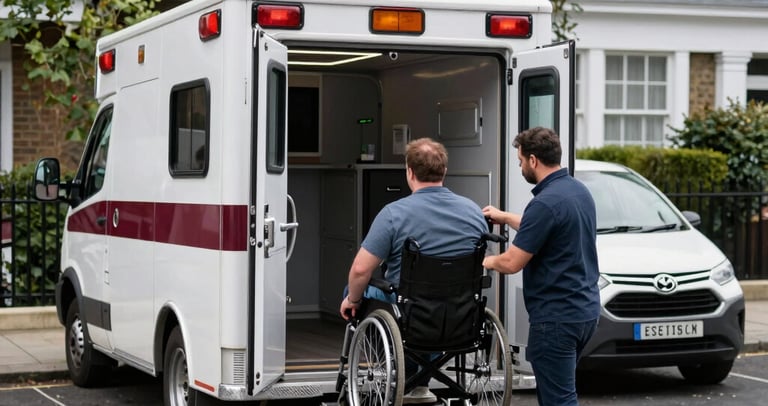

Prepare For Care Make An Advance Statement
You may not need a care assessment straight away, but if you're already thinking about your health and future, writing an Advance Statement is a valuable first step. An Advance Statement is a personal record of your wishes, feelings, beliefs, and values—helping to guide others if you become unwell and need care or medical treatment.
Understanding Your Advance Statement
The main purpose of an Advance Statement is to ensure that if you ever lose the ability to make or communicate decisions, those around you—whether family, carers, or healthcare professionals—have a clear understanding of what matters most to you. While an Advance Statement is not legally binding, healthcare professionals must take it into account when making decisions on your behalf.
Finally: To keep your Advance Statement accessible, scan and email a copy to yourself, store it with important documents like your ID and banking information, and consider sharing it with your GP so it can be added to your medical records.
You can create a Advance Statement by yourself, by clicking on the link to the CareCoaching PDF which you can download and complete yourself, or you can book a care consultant to get it done for you.
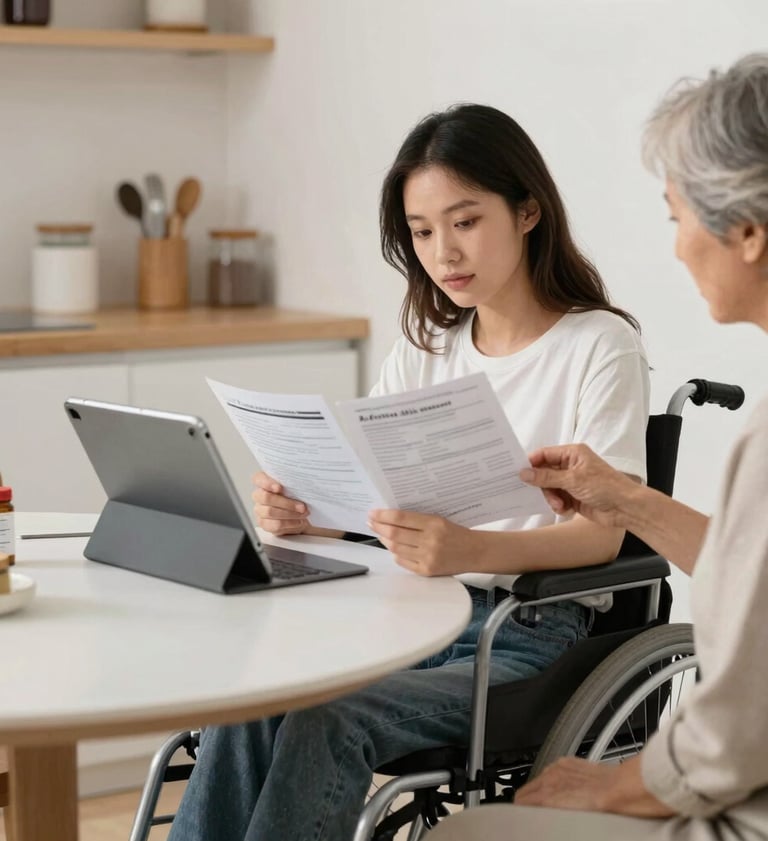
Sometimes Discharge from Hospital Can Be Complicated
Appropriate home care and support after discharge is important for recovery.
Whether you're preparing for a care assessment, setting up legal safeguards for the future, or navigating the journey of a hospital recovery, we offer a range of tailored services to support you with clarity, structure, and empathy.
CareCoacing recommends adding three pillars: fresh air, nutrition and movement as a standard requirement to your care plan. Care service users without these elements in their care plans show higher morbidity, faster health decline, and are more likely to experience rising care costs over time.
Getting the right care after leaving hospital can dramatically reduce your chances of readmission.
Spending extra days in hospital waiting for discharge can really take a toll and makes recovery at home much harder and longer.
For older or more vulnerable patients, each extra day in the hospital can mean an additional week, or more, of recovery time spent at home.

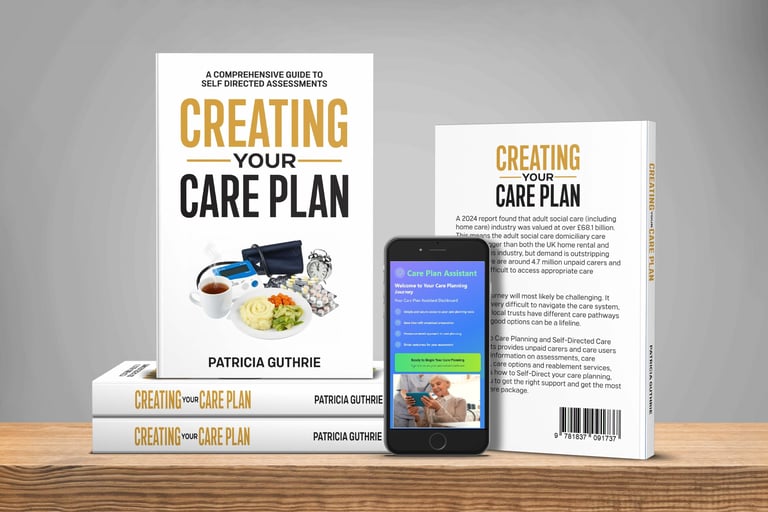
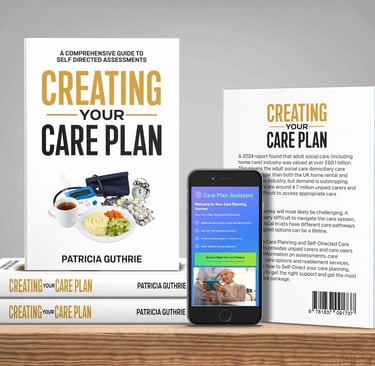
The Creating Your Care Plan: Comprehensive Guide to Self-Directed Assessments is available @ Amazon


Creating Your Care Plan PDF
Purchase the Quick Guide to Creating your Care Plan: 114 pages, Or download the PDF here, for Only £1.99
Business Lasting Power of Attorney (LPA)
Protect your business, your income, and your family if illness or incapacity strikes


A Business Lasting Power of Attorney (LPA) is one of the most effective ways to keep your business running smoothly if you become seriously ill or lose the ability to make decisions. For many small business owners, carers, and families, it prevents sudden closure, financial stress, and rushed decision‑making during a crisis.
This page explains what a Business LPA is, why it matters, and how to set one up — in simple, practical language.
What Is a Business LPA?
A Business Lasting Power of Attorney is a legal document that allows you to appoint someone you trust to make business‑related decisions if you cannot do so yourself.
It gives your chosen attorney authority to:
access business bank accounts
pay staff and suppliers
sign contracts
manage tax and payroll
keep the business operating day‑to‑day
Without a Business LPA, even a spouse or business partner may have no legal authority to act.
Learn more: Business LPA basics
Why Business Owners Need One
Most UK businesses rely heavily on one person — the owner. If that person becomes unwell, the business can freeze instantly.
Research shows:
1 in 10 UK businesses would shut down immediately if the owner became incapacitated
Nearly 1 in 4 would struggle to survive beyond a month
Thousands of businesses are sold each year due to owner illness
A Business LPA ensures someone can step in quickly and legally, preventing:
sudden business closure
unpaid staff
frozen bank accounts
missed tax deadlines
financial stress for the family
Explore: Why businesses fail without an LPA
What a Business LPA Covers
A Business LPA is part of the Property & Financial Affairs LPA, but tailored specifically to business decisions.
It can include authority for:
banking access
contract signing
staff management
HMRC duties
insurance and compliance
You can limit your attorney’s powers to business matters only, keeping personal finances separate.
A Business LPA is not just a legal document — it’s a continuity plan. It protects your livelihood, your staff, your customers, and your family. Planning ahead is an act of care, and it ensures your business can thrive even during the difficult times when your health is not. at its best.
Coming Soon. .
Care & Business ManagemengCoaching for UK SME Owner's
The Creating Your Care Plan PDF Guide, gives detailed information on different care options for care service users and re-ablement services, and explains how to self-direct your care planning and how to get the right support, to get the most from your care package. It is a useful resource for the carers and individuals planning for their care.
Available for Classes and Workshops
I'm available to meet with groups and facilitate care planning workshops and group sessions designed to make caring easier and healthier. My workshop: “Planning for Spring: 5 Signs It’s Time to Review Your Care Plan”, which explores everyday wellbeing topics such as shopping, exercise, physiotherapy, nutrition, outdoor activity, and personal care. This session is available to libraries, charities, community centres, care homes, and local groups, and can be delivered independently or co-hosted with your organisation.
My events and workshops are designed to support adults receiving home care to gain more control over their care planning. I help family carers navigating the care system, as well as individuals preparing for a self‑directed assessment or care review. I also deliver talks for people exploring the Shared Lives Scheme and support for those wanting clearer, practical guidance on their rights, options, and next steps.
I am passionate about home care and committed to helping care service users and families feel informed, confident, and empowered. If you are organising a community event, carer support session, or local wellbeing programme, I would be delighted to contribute.
I would love to support your next care event. Please get in touch for booking information .








Support
Personalized care plans for better health recovery.
Consultancy
Wellness
info@carecoaching.co.uk
+44- 7925 442 663
© 2025. All rights reserved.