Better Healthcare starts with a Better Home Care Plan
Empowering Recovery
Leaving hospital should be the start of a period of relaxation and recovery, but for many it can feel overwhelming. In fact, around 1 in 7 patients in England are readmitted within 30 days of going home, usually because they are not getting the right care, or support after discharge.

CareCoaching helps business owners navigate illness, hospital discharge, and major health transitions with clarity, independence, and confidence, through personalised care planning, business continuity support, and holistic wellbeing coaching.

Want More Control Over Your Care Plan?
Find options that empowers your healthcare journey with tailored support for recovery and independent care planning.
Personalized Care Solutions
A good care plan, thoughtful guidance, and recovery strategies tailored to your goals, will help you overcome most obstacles and create a future that empowers you. No matter where you are in your care journey. There are options and affordable solutions to help you move forward with confidence.
“Fix the Paper Trail” – Care Letter Support Call
A 60-minute support call for family carers who’ve received a care plan that doesn’t feel right. We’ll calmly work out what needs to be said and what needs to happen next, and will craft your response, so you’re not stuck or second-guessing yourself.


Prepare for Self -Directed Care Assessment
Create a care plan that caters to your unique healthcare needs and goals. A self-directed care assessment, can be tailored to your individual requirements. You can focus on your recovery while your carers follow your personalised care plan.


To book short session all leave a detailed message and receive a text link for payment and sign up instruction to receive coaching services and video calls through an national online agency platform . CareCoaching accepts Local Authority direct payments.
Care Plan Coaching
One to one coaching for Business Care Service Users who want ongoing support with their care plan, independence goals, or navigating NHS Healthcare, Support Services and, or Local Authority Care Services.
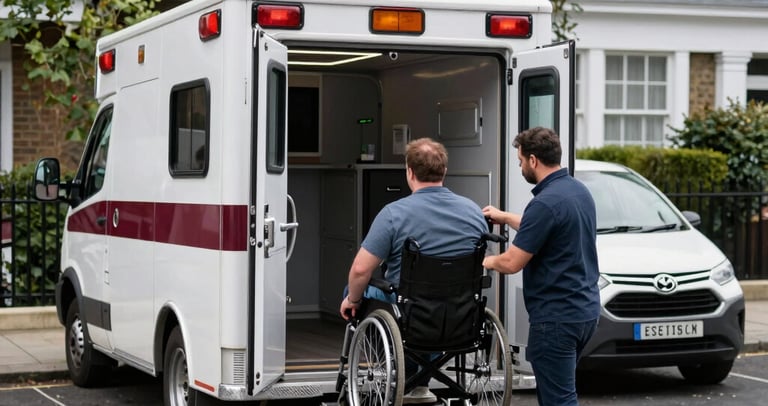
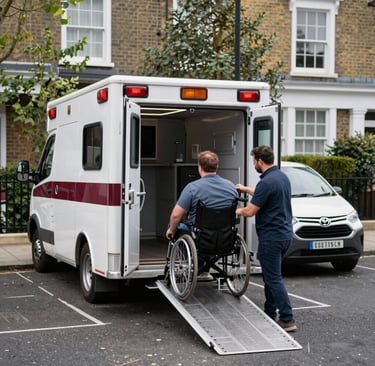
Care Plan Coaching Can Make a Big Difference..
Carers UK, Facts About Carers, March 2025 report stated that 39% of carers without a Carer's Assessment said not knowing what it is was
Being under supported and improperly assessed in care is very common barrier to getting the right care plan. According to Carers UK - State of Caring report · Only 23% had a Carer's Assessment in the last 12 months and 42 % got no support.after one.
To find out more about one to one care plan coaching sessions please complete the form. A care consultant will email you for more details and then call you at a pre-arranged time to discuss your situation. The coach will listen to your concerns and discuss any difficulties you may have regarding your care assessment and current care plan. They will then help you create a new care plan, arrange an new assessment or care plan review and provide you with the relevant information that will act as a useful first step in helping you resolve any other care issues and research appropriate care pathways.
Twelve Weeks to Direct Payment Plan
A twelve week program for family carers who have just taken on
an elderly parent's care, so they get a self directed plan approved
with direct payments in place.


Twelve Weeks to Direct Payment Plan
A twelve week program for family carers who have just taken on an elderly parent's care, so they get a self directed plan approved with direct payments in place.
Get a self directed assessment, and a care plan approved for your parent, with direct payments in place, so you choose the carers, set the hours, and write in the fresh air, foods and types of physical movement that matter to them. Not care that's handed to you. A care plan you manage and direct.
Take control now. Get your parent the care and support they need to live at home, before
Who it is for?
Family carers looking after an elderly parent at home who have just taken it on, still in the first months of arranging care, with no idea self directed care exists.
Format Small group, live online, twelve weeks. One session a week,timed to walk alongside the real assessment as it happens.
Between sessions you work on your care plan with the Care Plan Assistant App,
Program includes textbook, support using apps, Advance Statements and LPA templates, menu planner, checklists,
Step by step coaching on the forms, the questions to ask at the assessment, and the wording that gets fresh air, food and movement written in.
Complete the form to book a telephone consultation with a Care Consultant at a time convenient for you.
The Entrepreneur Health Transition Programme
I help business owners transition confidently through illness or care needs by providing personalised care planning, business continuity support, and holistic wellbeing coaching.
1. Health Transition Mapping
A personalised plan for navigating diagnosis, hospital discharge, or new care needs. Includes:
wellbeing assessment
independence goals
care system navigation
recovery planning Guided Link: health transition mapping
2. Business Continuity Support
Keeping the business stable while the owner recovers. Includes:
Business LPA coaching, support and guidance
continuity checklist
emergency delegation plan
income stability planning Guided Link: business continuity support
3. Independence & Lifestyle Coaching
Helping clients maintain dignity, confidence, and daily structure. Includes:
independence routines
wellbeing habits
home care adaptation
mobility & energy management Guided Link: independence coaching
4. Emotional & Spiritual Support
Your natural genius — guiding people through difficult change. Includes:
emotional resilience
faith aligned encouragement
mindset coaching
personal growth tools Guided Link: emotional support
5. Recovery Motivation Through Business Identity
Helping clients use their business as a source of hope and purpose. Includes:
identity rebuilding
meaningful work tasks
positive routines
adapting business roles to health needs Guided Link: business supported recovery
The Entrepreneur Health Transition Programme is a holistic coaching programme for business owners navigating illness or care transitions. combining care planning, business continuity, wellbeing support, and emotional guidance to help business care service users stay independent, organised, and financially stable while rebuilding their health.
The Care Plan Assistant is a free app, which allows care service users prepare for a self-directed assessments. The Care Plan Assistant app helps you get prepared for a Care Assessment by creating a care plan that incorporates, fresh air, nutrition and social activities into your weekly care routine. The app works by assessing the input data, current health status and any limitations that may affect their daily activities. Understanding your unique circumstances and health requirements will allow you to create the optimum care plan. The evaluation will help determine what assistance is needed, whether it’s help with personal care, mobility support, medication management, menu modification, social activities, physio and wellness, outdoor activities or emotional support . The app will work with the care service users budget if necessary and estimate the time and costs of care and then organise the care service users need into a efficient, and personalise care plan.
The Care Plan Assistant app helps you to create a clear picture of your health needs, and how your lifestyle factors into the equation. The app will help you to create a Care Plan that prioritise your care needs based on health and lifestyle.
You can document your daily routines, social activities, and personal preferences, all of which play a significant role in recovery and overall quality of life.
For instance, if you enjoy gardening or reading, you can plan your care around these activities, modifying them if necessary and enhance your physical mental well-being .

The Care Plan Assistant App
Sometimes Your Assessment After Discharge from Hospital Can Be Complicated
Whether you're preparing for a care assessment after a hospital recovery, or setting up legal safeguards for the future, we offer a tailored service to support you with clarity, structure, and empathy.
Appropriate home care and support after discharge is important for recovery.
CareCoacing recommends adding three pillars: fresh air, nutrition and movement as a standard requirement to your care plan.
Care Service users without these elements in their care planning experience higher morbidity, faster health decline, and rising care cost over time.
Getting the right care after leaving hospital can dramatically reduce your chances of readmission.
Spending extra days in hospital waiting for discharge can really take a toll recovery plans and makes recovery at home much harder and longer. For older or more vulnerable patients, each extra day in the hospital can mean an additional week, or more, of recovery time spent at home.
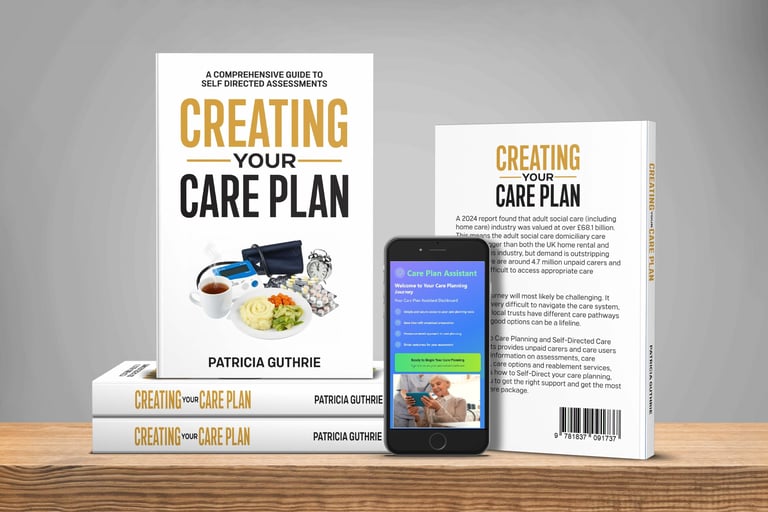
The Creating Your Care Plan Book: Comprehensive Guide to Self-Directed Assessments is available on Amazon
Care Planning Resources
The 'Creating Your Care Plan: A Comprehensive Guide to Self-Directing your Care Assessments is a book that helps care service users Get their Care Package Right, The First Time. The guide is available on Amazon and provides a step by step guide to taking control of your care planning. It shows you how to get the best out of personal home care options in the UK, and covers home care options such as NHS Continuing Care, Self-Directed Care Assessments.
The Care Planning & Advocacy
Personalized support for effective healthcare recovery and planning.


Personalised Solutions
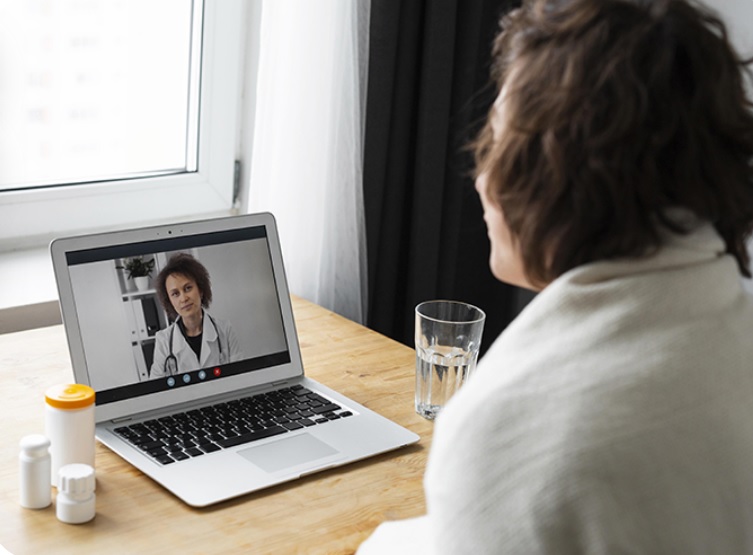
A Care Plan That Wasn’t Working
KC, a 71 year old retired university lecturer, lives alone in West London and funds his own care. Following a serious bicycle accident, he sustained a neck of femur fracture, head injury, stroke, and was receiving 25 hours of care each week, but still felt anxious, isolated, and unsupported. Despite receiving 25 hours of support each week, his care plan wasn’t meeting his needs. He felt anxious, isolated, and frustrated. His mobility was declining, he wasn’t getting outdoors, and his daily routine didn’t reflect his preferences or lifestyle.
His story is one many families recognise: lots of hours, but not the right kind of support.
How CareCoaching Helped
CareCoaching stepped in to redesign KC’s care plan using a Self Directed Assessment, giving him more choice, control, and confidence.
We focused on what mattered most to him:
A calm, later start to the day
Fresh, healthy meals prepared at home
Gentle physiotherapy built into daily routines
Regular outings for fresh air and social contact
Safety improvements to reduce falls and wandering
Emotional support, reassurance, and companionship
A structured routine that reduced stress and confusion
This personalised approach helped KC feel more secure, more independent, and more himself.
The Difference It Made
Within six months, KC experienced:
Better mood and reduced anxiety
Improved memory and confidence
Increased mobility and outdoor activity
A new friendship at the local park
Access to Dial a Ride for physiotherapy and shopping
A safer, more manageable home routine
A reduction in care hours from 25 to 18.5 per week
KC was happier, healthier, and more independent — while his overall care costs went down.
Why Families Choose Self-Directed Care
CareCoaching believes that practical, person centred solutions that make everyday life easier for care service users and their families.
How CareCoaching Works
We listen first — every plan starts with understanding the person, not the tasks.
We simplify care — clear routines, practical solutions, and easy to-follow plans.
We focus on independence — supporting people to do more for themselves, safely.
We improve wellbeing — not just physical care, but confidence, mood, and social connection.
We reduce unnecessary costs — smarter planning, not more hours.
We support families and unpaid carers — guidance, reassurance, and ongoing coaching.
A Better Care Plan Is Possible
If your current care plan isn’t working — or you’re unsure where to start — CareCoaching can help you create a plan that truly supports independence, safety, and quality of life.
Case Study: A Better Care Plan Leads to a Better Result


Tailored Solutions


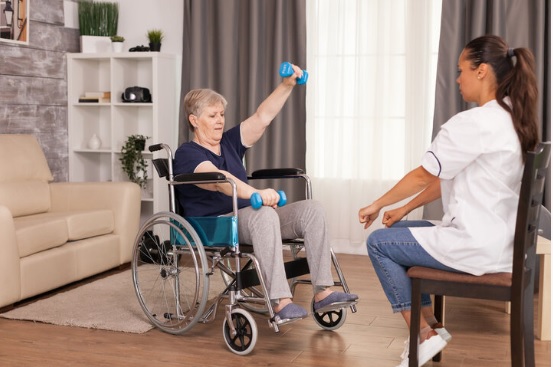
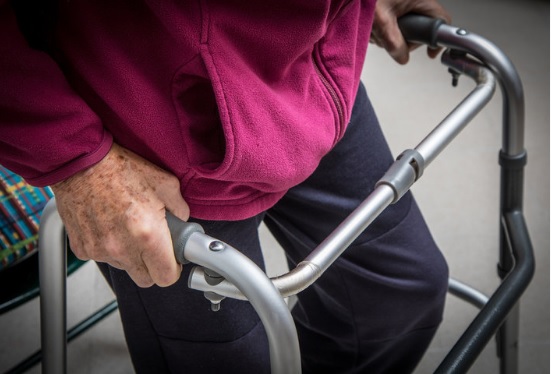
CareCoaching also provides one‑to‑one support for care service users who want focused help with a specific issue in their assessment or care plan. This includes personalised coaching for those who wish to turn their care plan into an effective, practical health‑recovery plan tailored to their needs and goals.
Support
Personalized care plans for better health recovery.
Consultancy
Wellness
info@carecoaching.co.uk
+44- 7925 442 663
© 2025. All rights reserved.